Understanding Vessel Reactivation
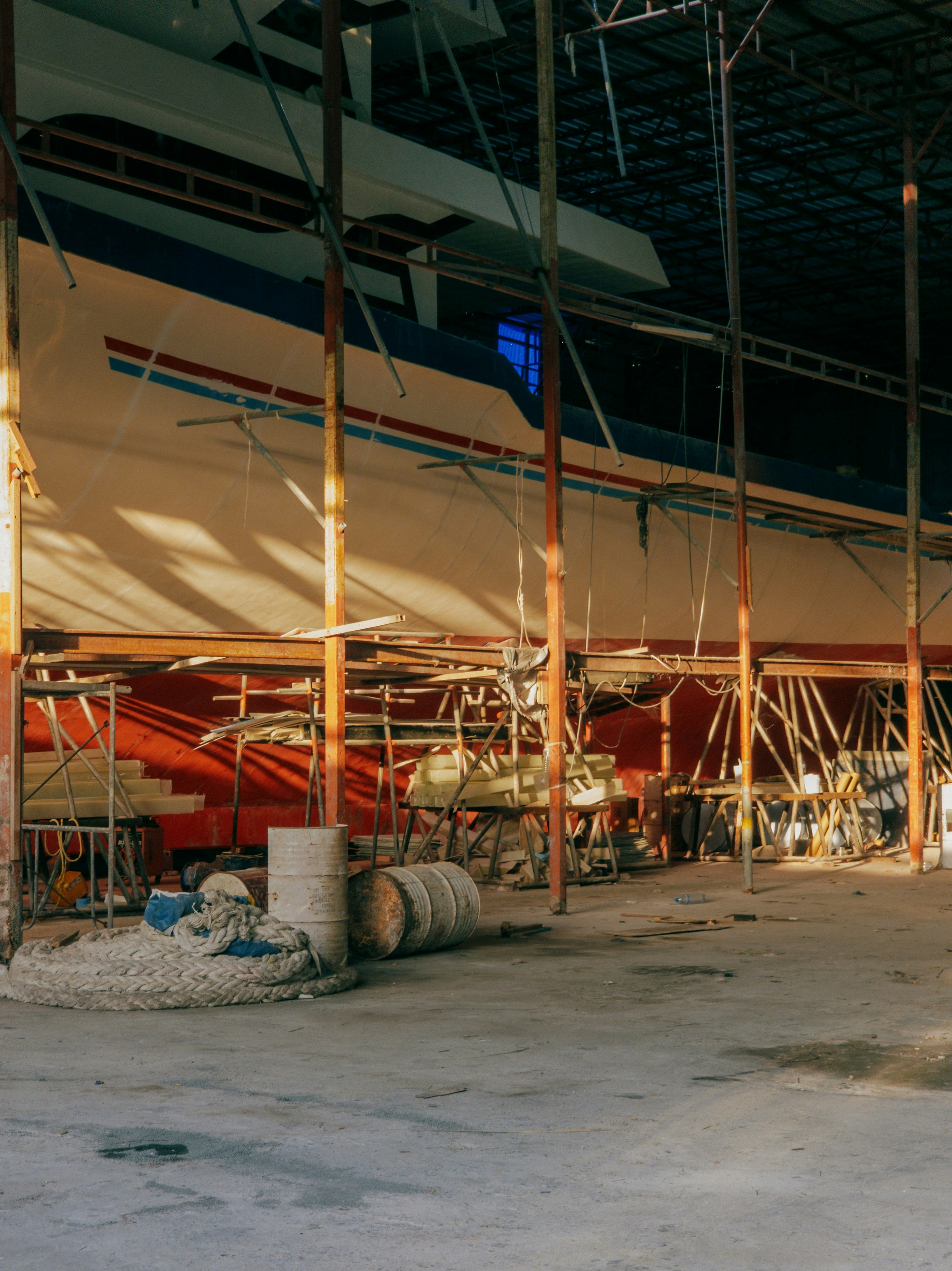
Vessel reactivation is a critical process in the maritime industry that involves returning inactive vessels to operational status. These ships may have been laid up or decommissioned for various reasons, such as economic downturns, changes in market demands, or regulatory compliance issues. The reactivation process is essential not only for reviving these assets but also for adapting to ever-evolving business needs and technological advancements.
The reactivation process generally entails a comprehensive assessment of the vessel’s condition, a detailed audit of its systems, and a thorough inspection to ensure compliance with current regulatory standards. This can involve upgrades to essential machinery, renovations of living quarters, and the latest safety equipment installations. It may also require specialized inspections and certifications to meet class requirements and flag state regulations. Investing in these upgrades is vital for ensuring that the vessel operates effectively and efficiently after reactivation.
Moreover, as the maritime sector increasingly shifts toward sustainability and eco-friendly operations, vessel reactivation projects often incorporate modern technologies that enhance energy efficiency and reduce environmental impact. This may include many strategies, such as retrofitting vessels with advanced propulsion systems or installing energy-saving technologies like hull modifications and waste management systems.
The significance of vessel reactivation extends beyond mere monetary considerations; it represents a strategic decision that influences a company’s operational capacity and market competitiveness. With the marine industry experiencing fluctuating demand cycles, the ability to reactivate vessels quickly and efficiently can provide businesses a significant edge, allowing them to scale operations in response to changing market conditions.
The Need for Technical Inspection in Inactive Vessels
Inactive vessels, often referred to as laid-up vessels, require meticulous attention and comprehensive technical inspections prior to their reactivation. The prolonged period of inactivity can lead to a wide range of potential issues that may compromise the safety and operational reliability of these marine assets. Conducting thorough assessments is not just advisable—it is essential to mitigate risks that arise from neglecting these inspections.
The primary concern with inactive vessels is the degradation of critical systems and components. Factors such as exposure to harsh environmental conditions, absence of operation, and possible corrosion can adversely affect the vessel’s machinery and structural integrity. A technical inspection helps identify these problems early, allowing for timely maintenance and repairs to ensure the vessel meets required safety standards.
Specific checks are necessary for laid-up vessels to preserve their functionality. These may include, but are not limited to, examinations of the power generation systems, propulsion mechanisms, safety equipment, and critical hull integrity assessments. Moreover, the inspection should encompass all vital systems, from electrical wiring to firefighting equipment, to ensure nothing has deteriorated, potentially endangering vessel crews or operations once the vessels are reactivated.
Neglecting technical inspection could lead to increased operational costs and extended downtime. The potential hazards associated with uninspected equipment can lead to serious accidents or costly repairs that could have been avoided with proactive measures. Therefore, it is crucial for vessel owners and operators to prioritize detailed technical inspections as part of the reactivation process. Such diligence not only safeguards investments but also reinforces a culture of safety and reliability in marine operations.
Comprehensive Machinery Checks and Documentation Review
The reactivation of marine vessels demands an intricate process that begins with comprehensive machinery checks and thorough reviews of documentation. These steps are vital to ensure that all systems function correctly and that the vessel is compliant with all regulatory standards before it resumes operational activities. Common machinery faults, such as issues with engines, generators, and steering systems, must be assessed meticulously. For instance, engine malfunctions could stem from wear and tear or lack of maintenance, making routine checks indispensable.
Documentation review plays a key role in this process. Maintenance logs offer insight into the history of repairs and servicing conducted throughout the vessel’s life. By analyzing these logs, technicians can identify patterns that may signal persistent issues or areas needing attention. Additionally, compliance papers such as safety certificates and inspection documents are essential to confirm that the vessel adheres to international marine regulations. These documents not only underscore the vessel’s operational capability but also its preparedness for audits and inspections by regulatory bodies.
Identifying machinery faults through checks and confirming compliance through documentation review ultimately contribute significantly to the vessel’s overall readiness. Each step in this process reinforces the safety and reliability of the marine asset, ensuring it meets the operational standards required for successful deployment. Attention to detail during machinery checks and the meticulous review of documentation can prevent costly mishaps and downtime later on, emphasizing their importance in the vessel reactivation framework.
Spare Parts Planning for Vessel Reactivation
Strategic spare parts planning plays a pivotal role in the vessel reactivation process, ensuring that marine assets are returned to operational status as efficiently as possible. Effective management of spare parts can substantially streamline reactivation, minimizing downtime and associated costs. One cannot overstate the importance of having the right spare parts on hand during this critical phase.
The first step in effective spare parts planning is conducting a thorough inventory assessment. This assessment should identify essential components that require replacement or servicing during the reactivation process. A comprehensive understanding of the vessel’s operational history and the wear on various components is crucial. By assessing the age and condition of spare parts, companies can prioritize those that need immediate attention and develop a clear roadmap for their procurement.
Procurement strategies should also be tailored to optimize supply chain management during vessel reactivation. It is advisable to establish strong relationships with suppliers to ensure timely access to necessary components. This may involve negotiating long-term contracts or sourcing local suppliers to reduce lead times. An effective procurement strategy focuses not only on cost but also on the reliability of suppliers in delivering high-quality parts when required.
Furthermore, implementing a proactive inventory management system can contribute significantly to mitigating downtime. Utilizing advanced inventory management software enables companies to monitor stock levels continually, track orders, and predict future spare parts requirements based on maintenance schedules and operational demands.
In conclusion, having a strategic approach to spare parts planning is essential for successful vessel reactivation. Effective inventory assessment, streamlined procurement strategies, and robust supply chain management can facilitate a smoother reactivation process and minimize operational interruptions, thereby enhancing the efficiency of marine asset management.
Shipyard Coordination: A Key Component of Reactivation
Successful vessel reactivation and dynamic positioning (DP) revival rely heavily on effective coordination with shipyards. These facilities are essential for carrying out the necessary repairs, upgrades, and maintenance required to bring marine assets back into operation. When a vessel is decommissioned or laid up, the role shipyards play becomes critical in ensuring that the reactivation process is efficient and compliant with safety and regulatory standards.
Firstly, shipyards typically provide a comprehensive range of support services during the reactivation process. This includes conducting thorough inspections to assess the vessel’s current condition, identifying areas that require immediate attention, and developing a work scope tailored to the specific needs of the vessel. They are equipped with specialized tools and technologies that facilitate advanced diagnostic assessments, allowing for accurate planning of necessary interventions.
Additionally, shipyards are instrumental in facilitating the necessary upgrades to meet the evolving technological and safety standards of the maritime industry. These upgrades may involve installing new navigation systems, communication equipment, or enhancing the vessel’s fuel efficiency. The shipyard staff have the expertise to advise on the best practices and latest technologies to be integrated, ensuring that the reactivated vessel will comply with international regulations.
Moreover, fostering a collaborative relationship with shipyards enhances communication, which is vital for minimizing delays and unforeseen costs. Having regular updates and discussions about the progress of repair and maintenance work allows for timely decision-making, making it easier to adapt to any challenges that may arise during the reactivation process. In this regard, clear coordination and project management between the shipowner, the technical teams, and the shipyard become indispensable, ensuring a smooth transition from decommissioned status back to operational readiness.
Operational Readiness Support: Preparing for a Successful Relaunch
Operational readiness support plays a critical role in the successful reactivation of marine assets, such as vessels returning to service after a period of inactivity. This multifaceted approach encompasses several key components, including crew training, safety drills, and thorough pre-departure checks, each of which contributes to ensuring the vessel is fully equipped for its operational environment.
First and foremost, crew training is essential for refreshing and updating the skills necessary for safe and efficient vessel operation. With extended durations away from active duty, crew members may require reorientation to their roles and responsibilities. Comprehensive training programs must address operational procedures, equipment handling, and emergency response protocols. This helps to instill confidence within the crew, enabling them to navigate various operational scenarios effectively.
Safety drills form another critical aspect of operational readiness support. Regularly scheduled drills allow crew members to practice emergency response procedures, ensuring they are familiar with actions needed in the event of scenarios such as fire, flooding, or equipment failure. These training exercises not only promote safety onboard but also help fulfill regulatory compliance mandates from maritime authorities, reinforcing the commitment to maintaining high safety standards.
Pre-departure checks are equally important in validating the vessel’s operational status. These inspections encompass verifying the functionality of navigational and safety equipment, ensuring compliance with marine regulations, and conducting maintenance assessments of critical systems. Such meticulous preparation is vital to mitigate potential risks during operations and to facilitate a seamless transition back into service.
In conclusion, operational readiness support is indispensable for providing a robust framework for the successful relaunch of marine assets. By prioritizing crew training, safety drills, and pre-departure checks, vessel operators can ensure that their assets not only meet regulatory compliance requirements but are also prepared for safe and efficient operations in their designated environments.
Dynamic Positioning (DP) Revival Services Explained
Dynamic positioning (DP) systems play a crucial role in the operational capacity of offshore support vessels. These sophisticated systems utilize advanced technology to maintain a vessel’s position and heading by automatically controlling the thrust of its propellers and azimuth thrusters based on positional data provided by GPS and other sensors. This capability is particularly essential in challenging marine environments where traditional anchoring methods may be insufficient or impractical.
The core function of DP systems is to enable vessels to remain stationary over a designated point on the sea floor, essential for activities such as offshore drilling, construction, and maintenance operations. DP systems not only enhance the efficiency of these operations but also ensure the safety of personnel and equipment onboard. As such, a reliable DP system is integral to the overall success of maritime operations.
However, the effectiveness of a DP system may decline due to various factors, including equipment wear, software obsolescence, or environmental challenges. This is where DP revival services become imperative. DP revival services focus on diagnosing issues within the DP system, conducting necessary repairs, and optimizing performance to restore operational capabilities. By leveraging cutting-edge technology and expert knowledge, these services ensure that offshore support vessels can function reliably in unpredictable marine conditions.
Moreover, regular assessments and proactive maintenance of DP systems can prevent critical failures, thereby reducing downtime and enhancing operational safety. Revival services include not just repairs but also upgrades and training for crew members to ensure they are equipped to handle complex DP operations effectively. In conclusion, the importance of maintaining and reviving DP systems cannot be overstated, as the safety, efficiency, and productivity of maritime operations heavily depend on the reliability of these dynamic positioning technologies.
Collaboration with Strategic Partners for Effective Solutions
The reactivation of marine assets is a complex process that demands a diverse set of skills, resources, and expertise. At Anchor Link, we recognize the immense value of collaborating with strategic partners throughout this process to enhance our reactivation and dynamic positioning (DP) revival services. These partnerships not only streamline operations but also elevate the overall efficiency and effectiveness of the services we provide, ensuring that we meet the specific needs of each marine vessel rehabilitation project.
Strategic partnerships are essential in accessing specialized knowledge and resources that may not be available in-house. By working with leading experts in various fields, including marine engineering, logistics, and regulatory compliance, we ensure that all aspects of the reactivation process are covered comprehensively. For instance, when coordinating technical assistance, our collaborations allow us to integrate cutting-edge technology and innovative solutions, which ultimately leads to a smoother reactivation process.
Moreover, effective coordination of logistics is vital in minimizing downtime and ensuring timely completion of projects. Our strategic partners aid in optimizing supply chain management and equipment procurement, which mitigates potential delays faced during the reactivation process. This collaborative approach allows us to efficiently manage resources while ensuring that all necessary components are available when required, maintaining the operational integrity of the marine assets involved.
Through these alliances, Anchor Link not only enhances its service offerings but also fosters a culture of continuous improvement and innovation. The shared expertise and insights gained through collaboration provide a foundation for developing effective strategies tailored to meet client demands, resulting in successful project outcomes. Ultimately, it is the synergy created through our partnerships that enables us to deliver exceptional reactivation and DP revival services to our clients in the maritime industry.
Contact Anchor Link for Expert Support
If you are a shipowner, vessel manager, or operator in need of vessel reactivation or dynamic positioning (DP) revival services, we urge you to reach out to Anchor Link. Our team is dedicated to providing comprehensive support tailored to the unique needs of our clients. With years of industry experience, we understand the critical importance of getting your marine assets back to operation efficiently and effectively.
At Anchor Link, our commitment to quality service is unwavering. We leverage advanced methodologies and cutting-edge technology to ensure that every vessel we handle meets the highest standards of safety and performance. Our expert technicians conduct thorough assessments and implement strategic reactivation plans that not only comply with all regulatory requirements but also optimize the operational capabilities of your vessels.
Our DP revival services are designed to address the complexities of bringing vessels that have been idle back to functionality. We recognize the intricate challenges associated with dynamic positioning systems and offer solutions that restore not just equipment but also operational confidence. By choosing Anchor Link, you are selecting a partner that prioritizes the integrity and reliability of your marine operations.
We understand that time is of the essence in the maritime industry. Therefore, we are committed to a responsive approach, ensuring that our clients receive timely updates and transparent communication throughout the process. Don’t compromise on the quality of your vessel reactivation services; trust Anchor Link to bring your fleet back to operational status.
Contact us today to discuss your specific needs and learn more about how we can assist you in achieving your operational goals. Let Anchor Link be your trusted partner in navigating the complexities of vessel reactivation and DP revival services.